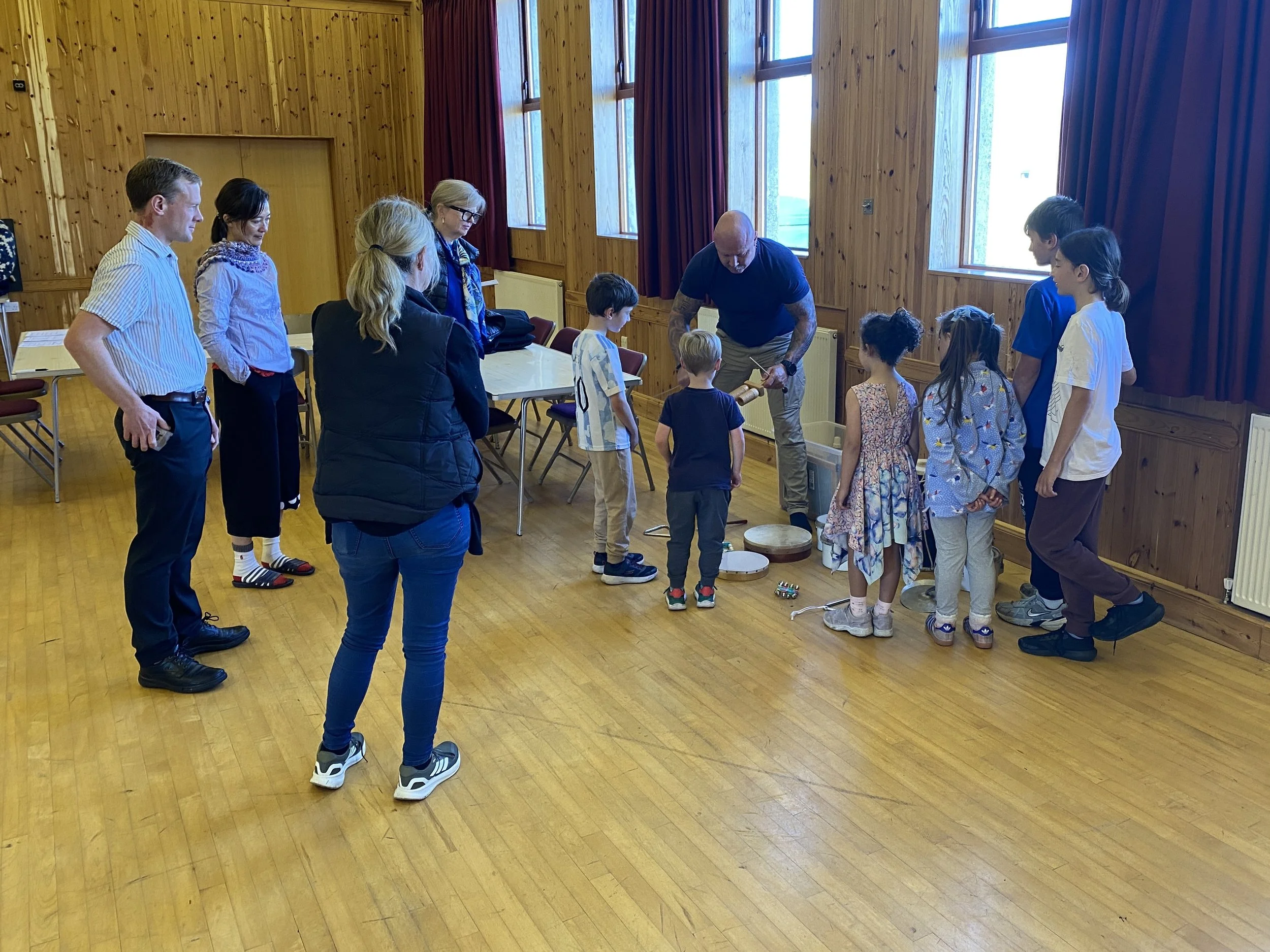
We start the morning with rhythm games and set up percussion sections - first working with making sounds with our mouths then producing those sounds on our instruments. Stu explains how we will work these into notation as the children compose their blues pieces.
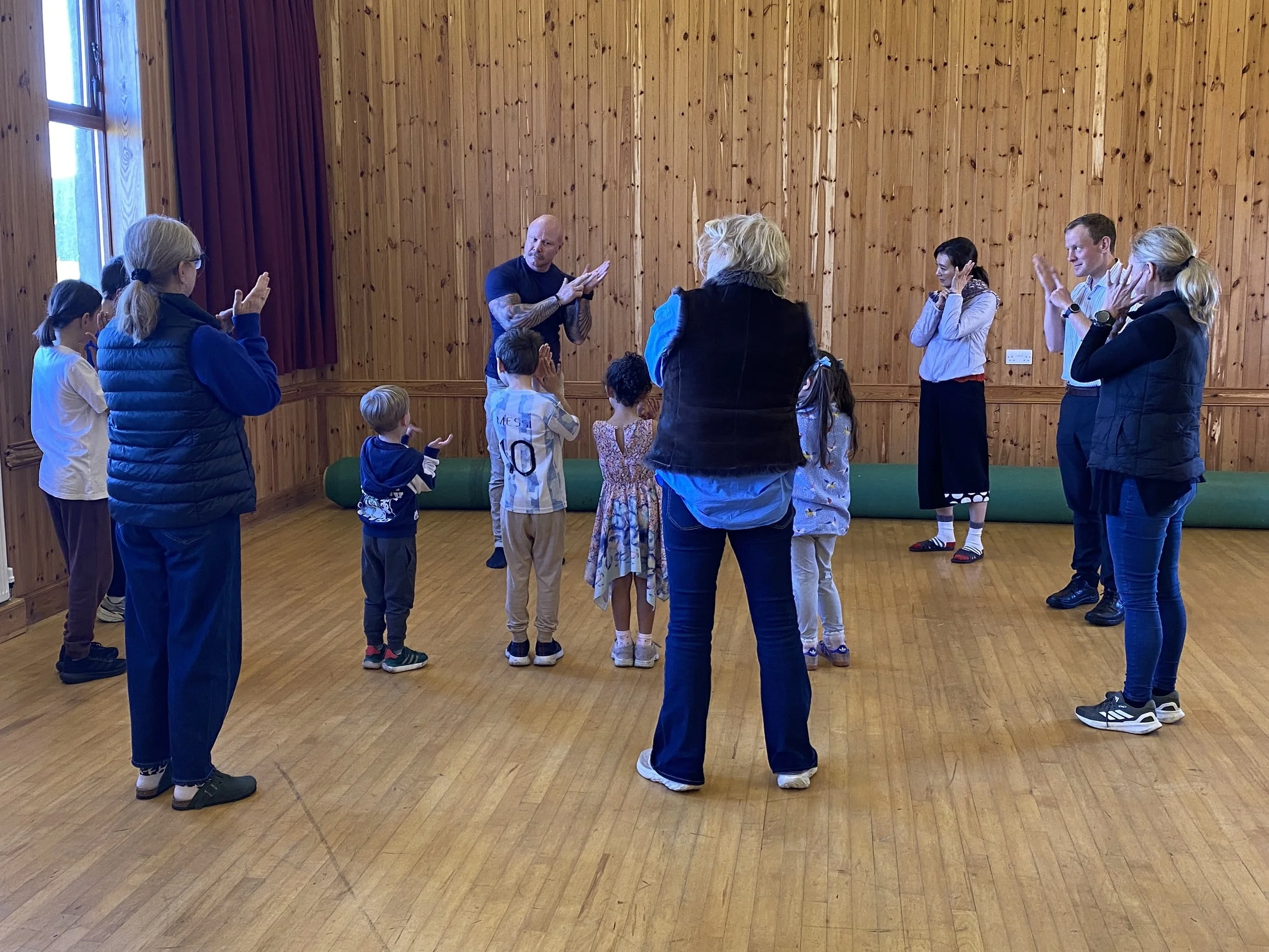
clapping rhythms
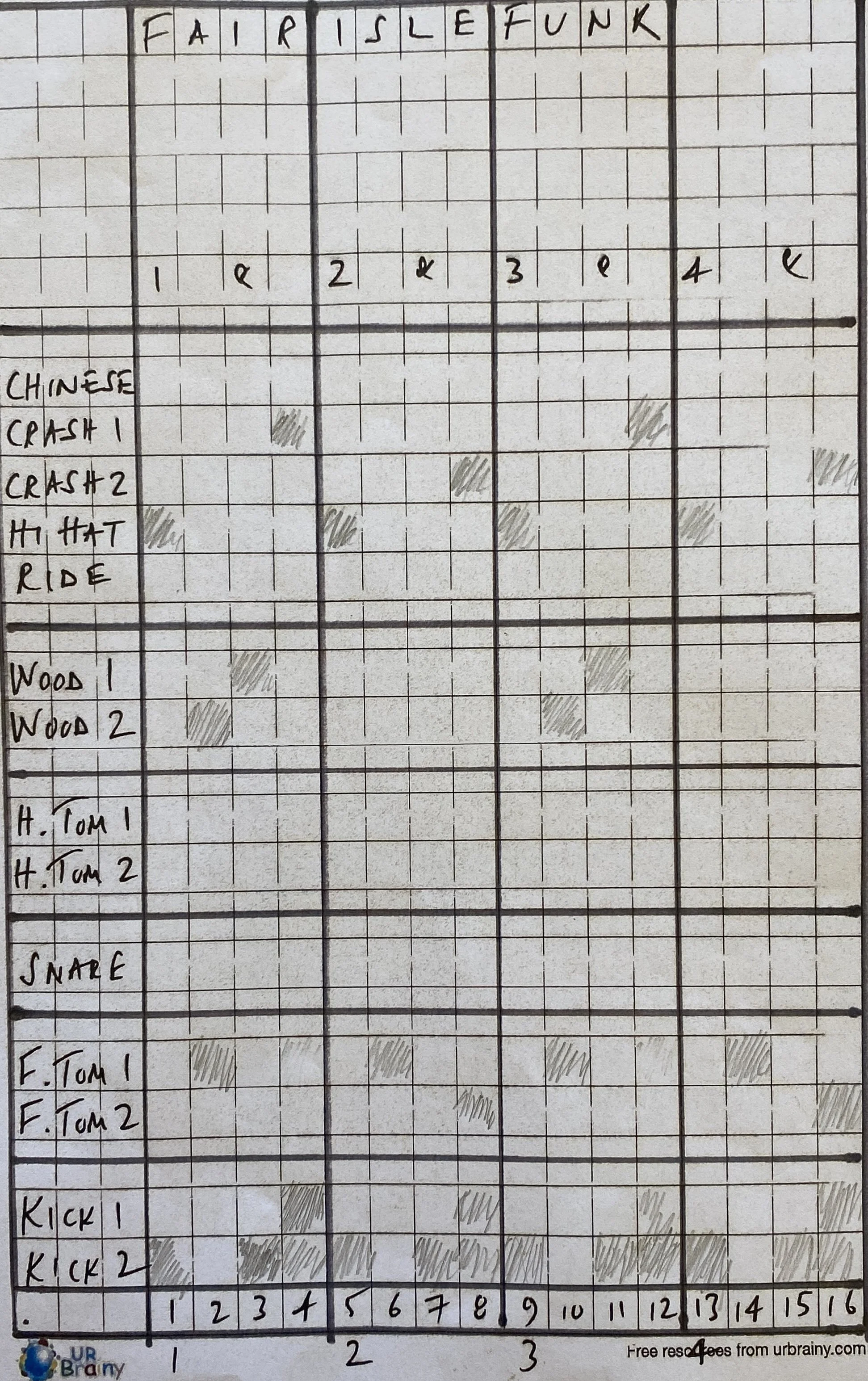
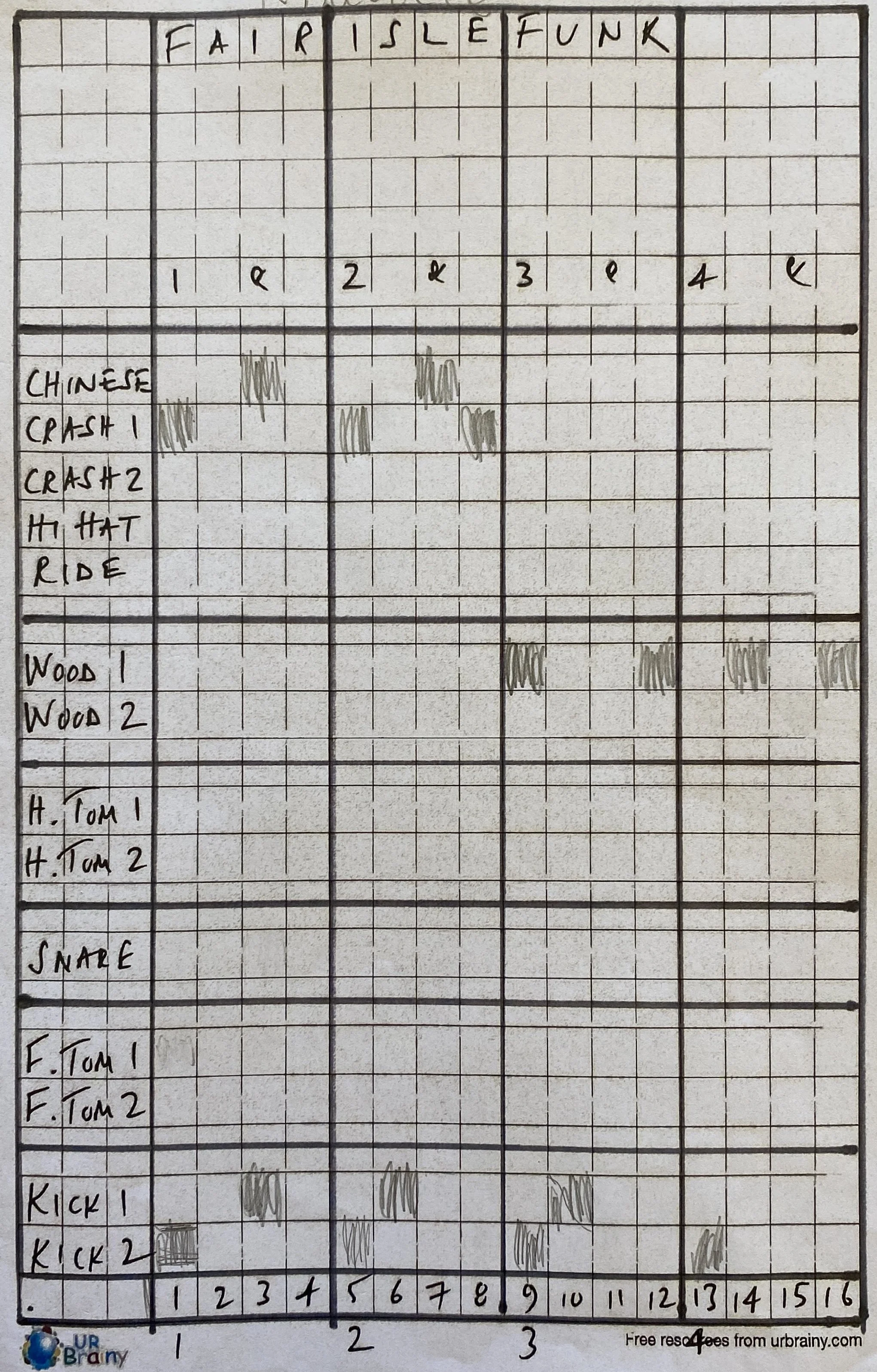
The children then sat down to writing their own rhythm section for percussion using graph paper marked up with the different elements of a drumkit. They worked to 4 beats split in to 16, using fractions to create simple rhythms, cross rhythms, complex rhythms and syncopation. The marked up graph papers look a little like the graph papers used to create patterns for Fair Isle knitting…
After lunch I give the children a “tour of blue places”, including the mareel bioluminescence that happens in Shetland, the blue lagoon in Iceland, blue ice caves in Argentina, towns painted blue, blue domes of Greece and the blue decorative tiles of Samarkand (they were very interested in the Silk Road, so we talked about that for a bit).
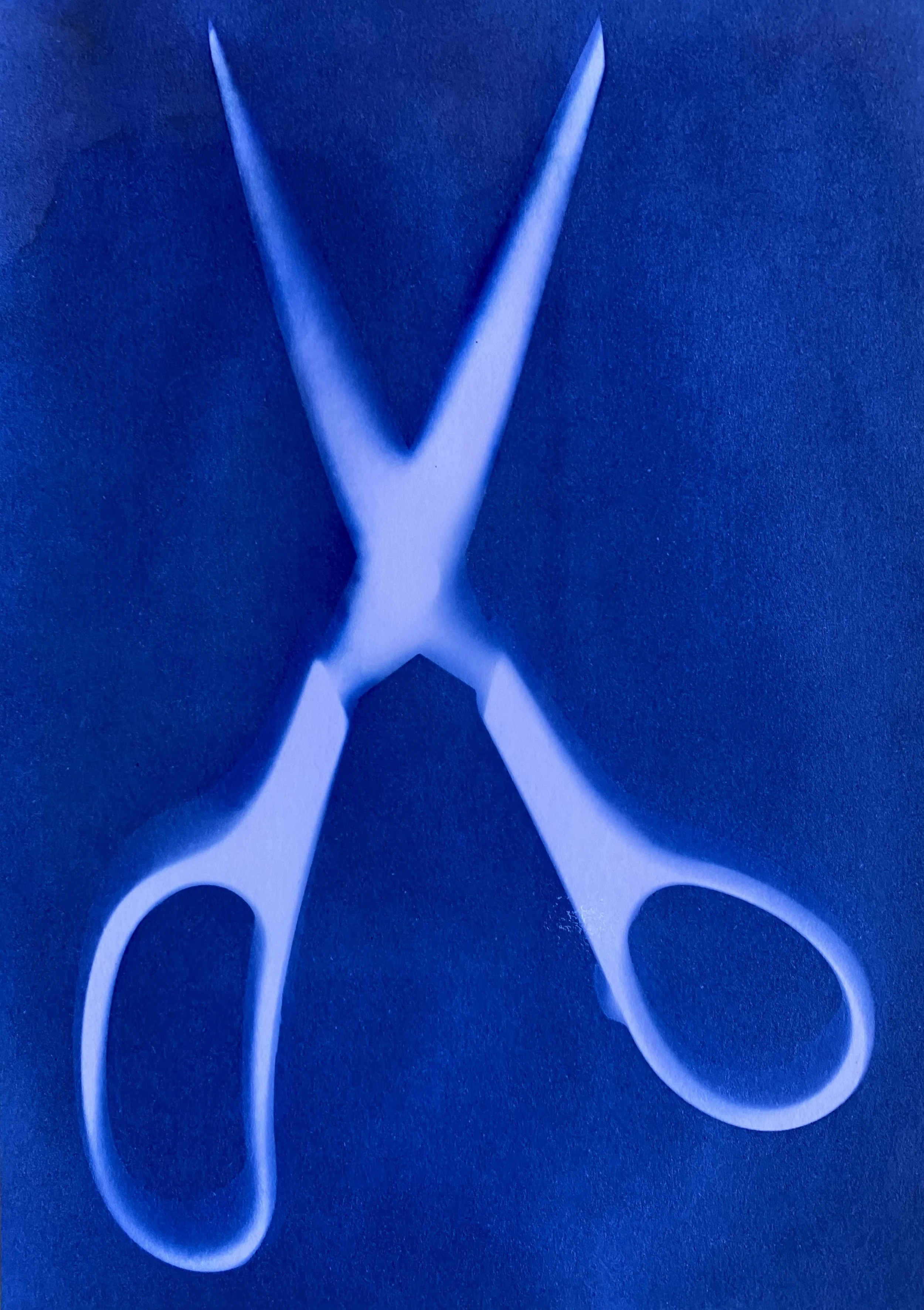
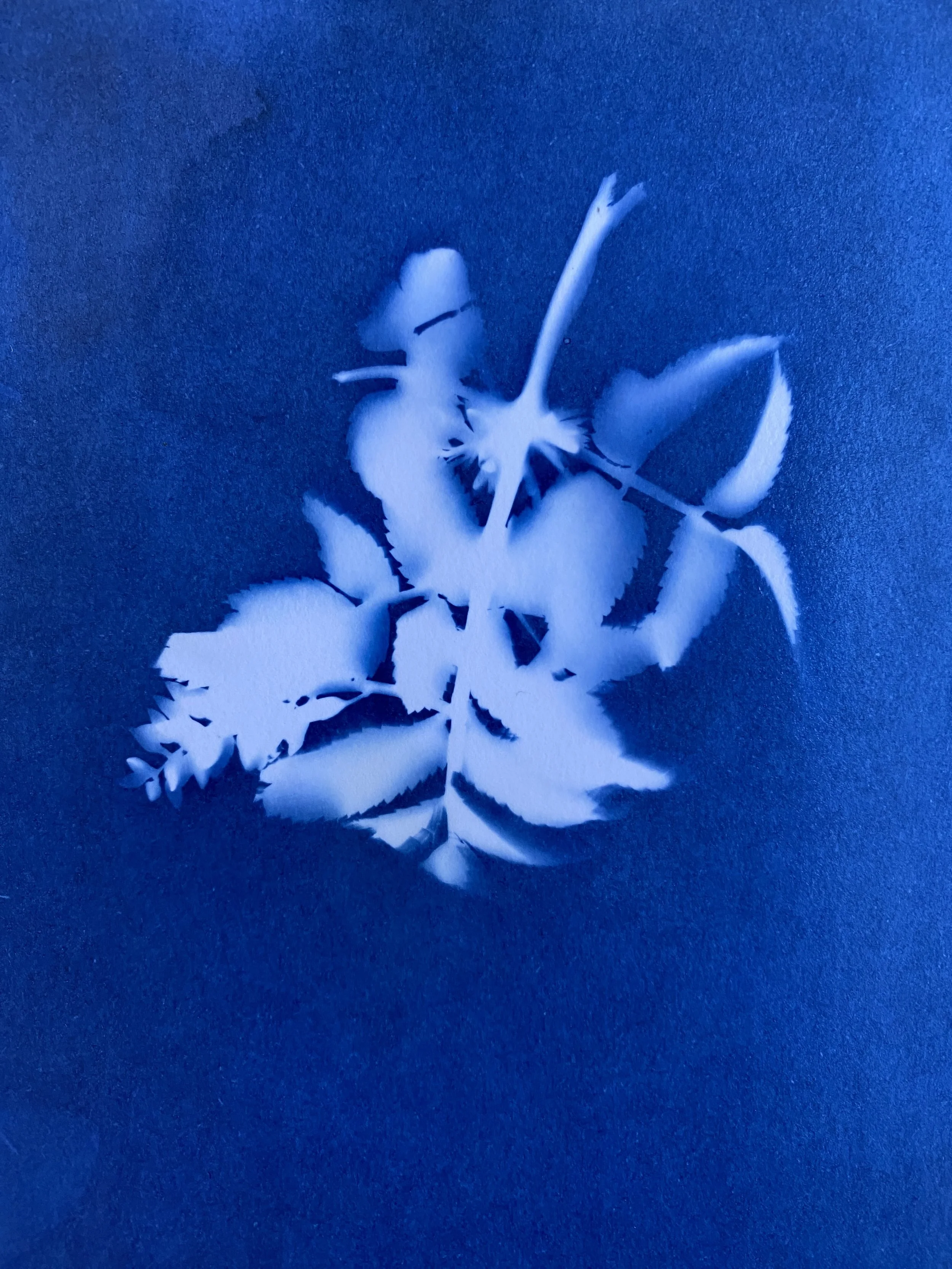
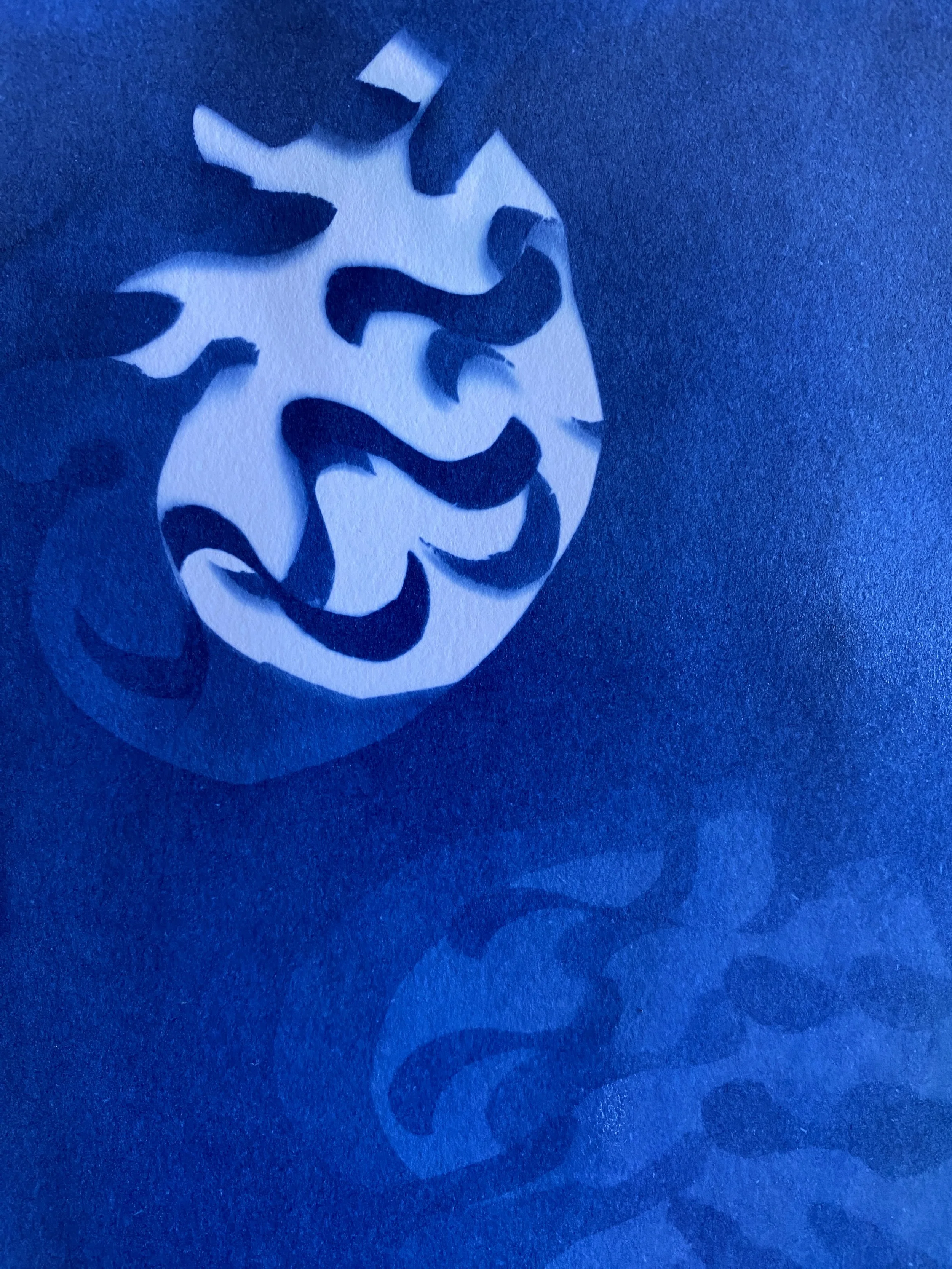
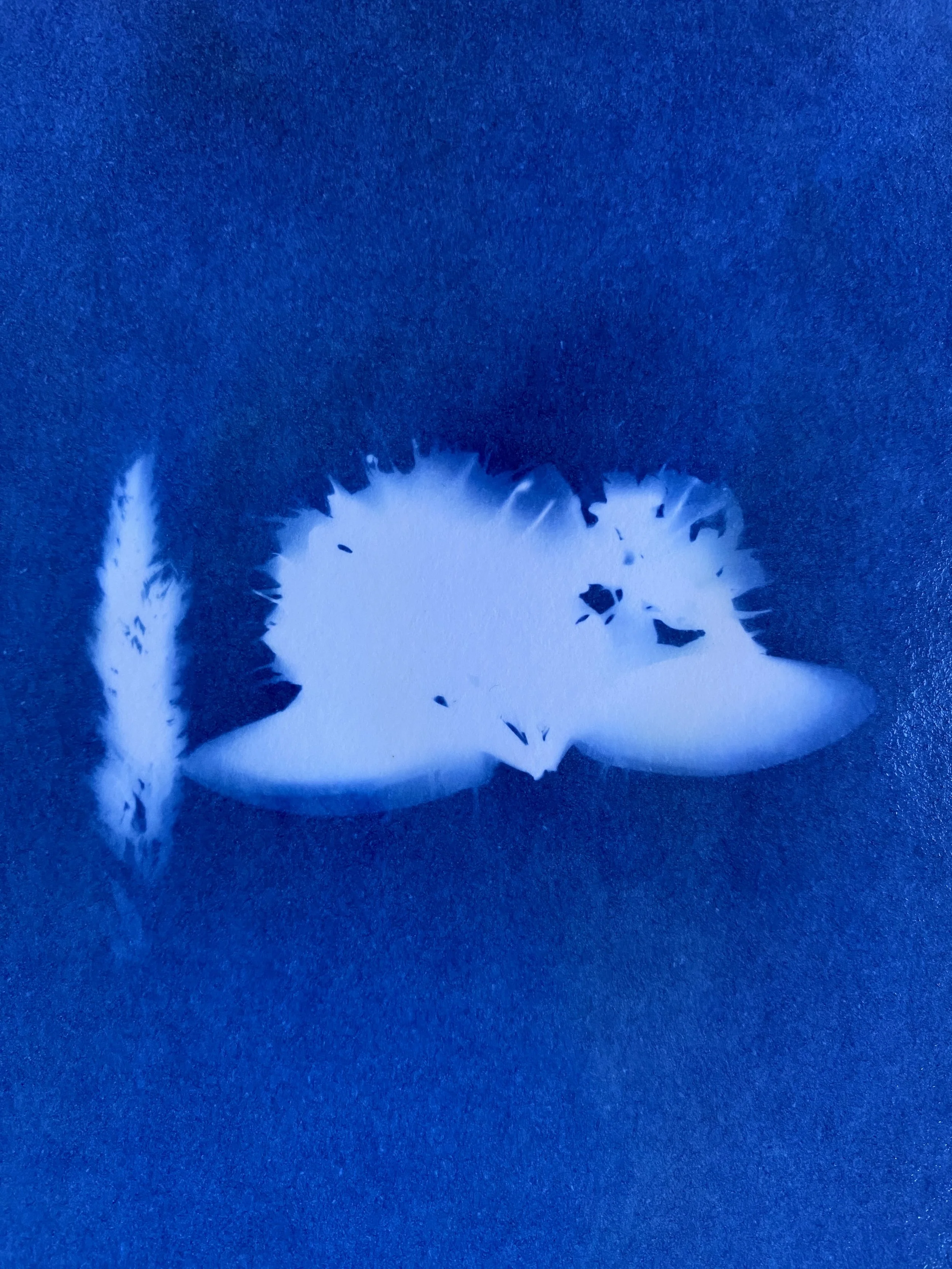
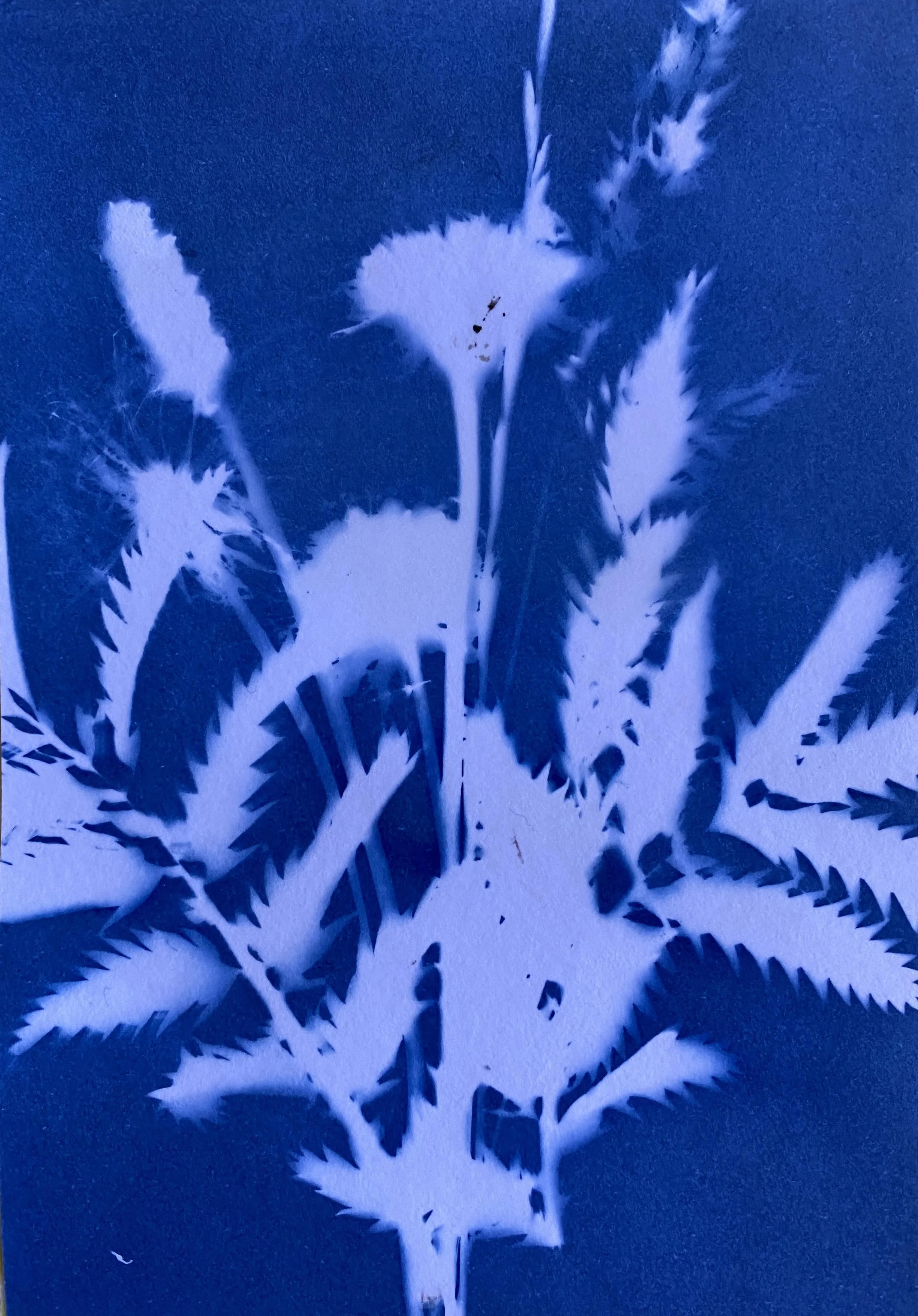
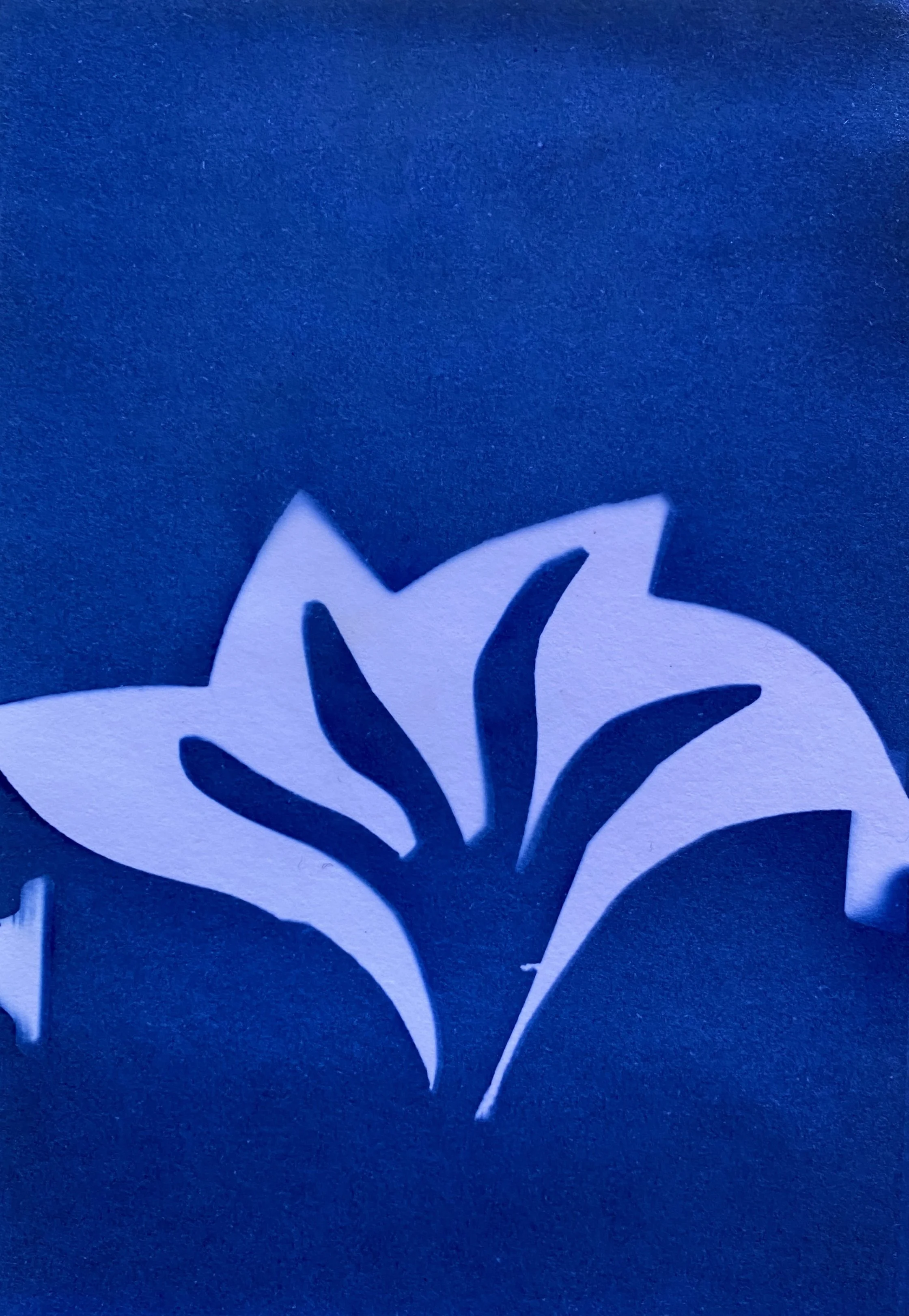
Then we move on to Anna Atkins (1799–1871) and her pioneering use of cyanotypes to record botanicals and seaweed, publishing the first book of photographs in 1843. We are foraging on the shore tomorrow, but to have a practice we chose items to set up for sunprints - some were plants foraged from outside, some used the Matisse-inspired cutouts I’d brought and one used a pair of scissors.
While the prints are developing in the sun we do some watercolour exercises using only the colour blue. They use a watercolour paper palette to create gradients of blue and on their second sheet of watercolour paper start with a circle of water wash, then slowly add pigment to it to build up a circular pattern.
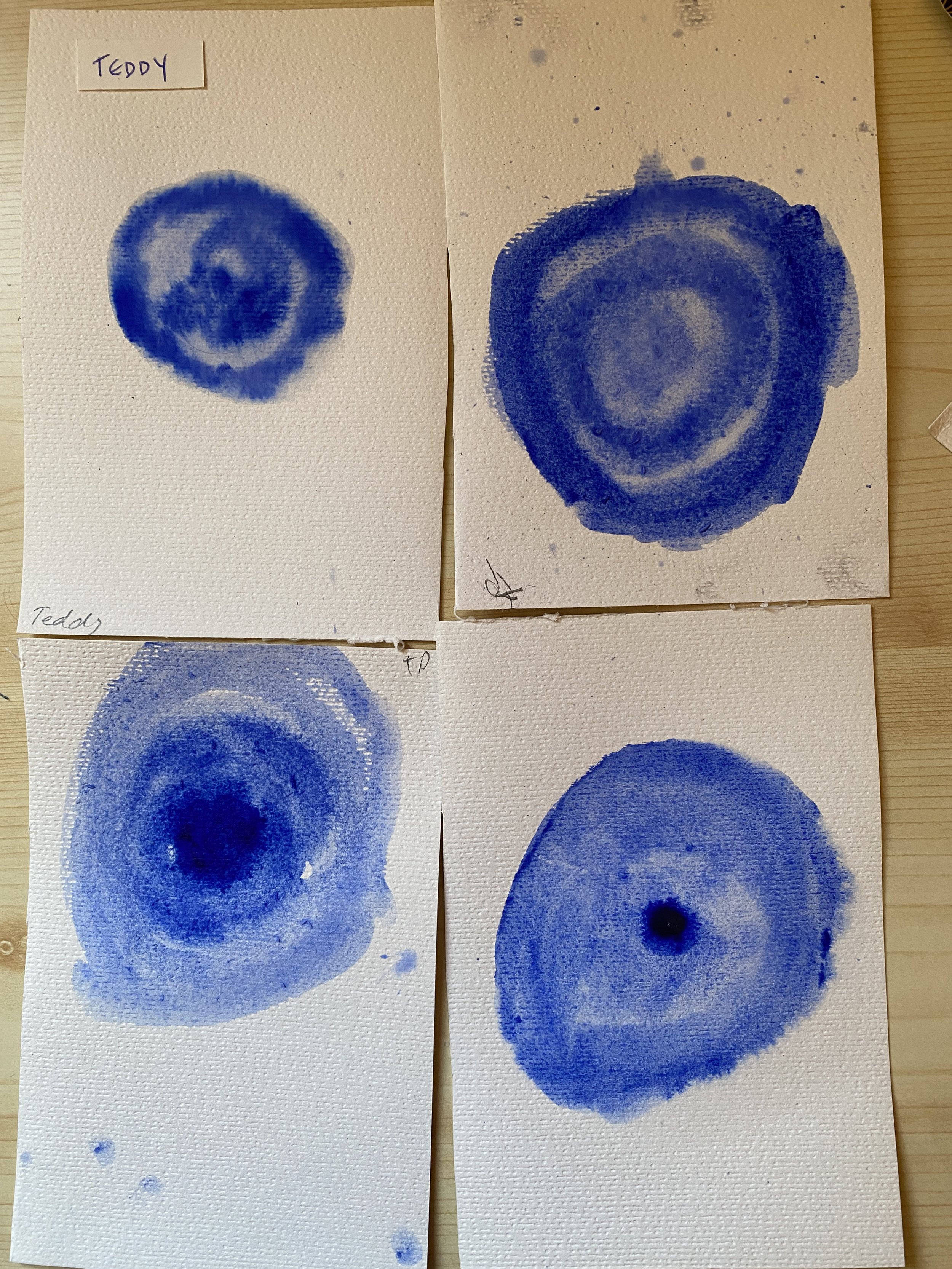
Teddy’s looks like a galaxy!
Some catching up with friends over kitchen tables, and a full team dinner at Kenaby, cooked by Jess.